April 20, 2026
A reliable water supply is something most homeowners take for granted—until it stops working. At the heart of any private water system is the well pump, a critical piece of equipment responsible for delivering clean, consistent water from underground sources to your home. Whether you rely on a shallow well or a deep-water system, understanding how well pump repairs work and the differences between their types is essential for maintaining long-term performance and avoiding costly breakdowns.
Different Types of Well Pumps
Submersible pumps are among the most common types used in well systems. These pumps are designed to operate underwater, efficiently pushing water up to the surface. Their sealed design ensures they remain protected from external elements like dirt and debris, making them highly reliable. Submersible pumps are capable of significant water delivery rates, making them ideal for deep wells. However, due diligence is needed to monitor their functionality, as extracting them for well pump repairs can be labor-intensive.
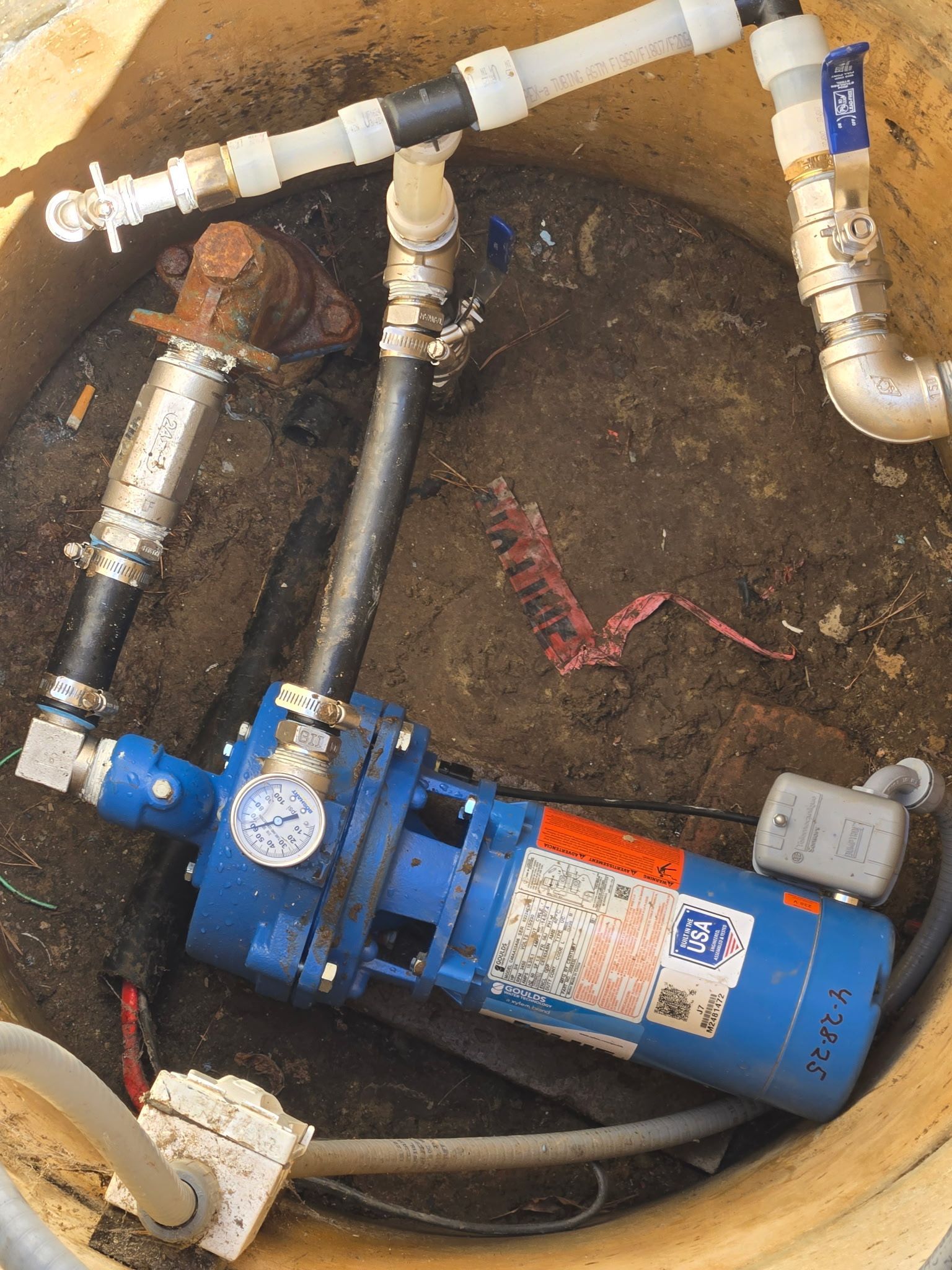
Jet pumps, unlike submersible ones, are located above the ground. They use the principle of jet propulsion to draw water from the well, which is typically suitable for shallow wells. Jet pumps often require priming, a process that involves filling the pump with water to create the suction needed to draw more water. While their accessibility makes them easier to service, their efficiency can be lower compared to submersible pumps. Proper maintenance is necessary to avoid common issues like loss of prime.
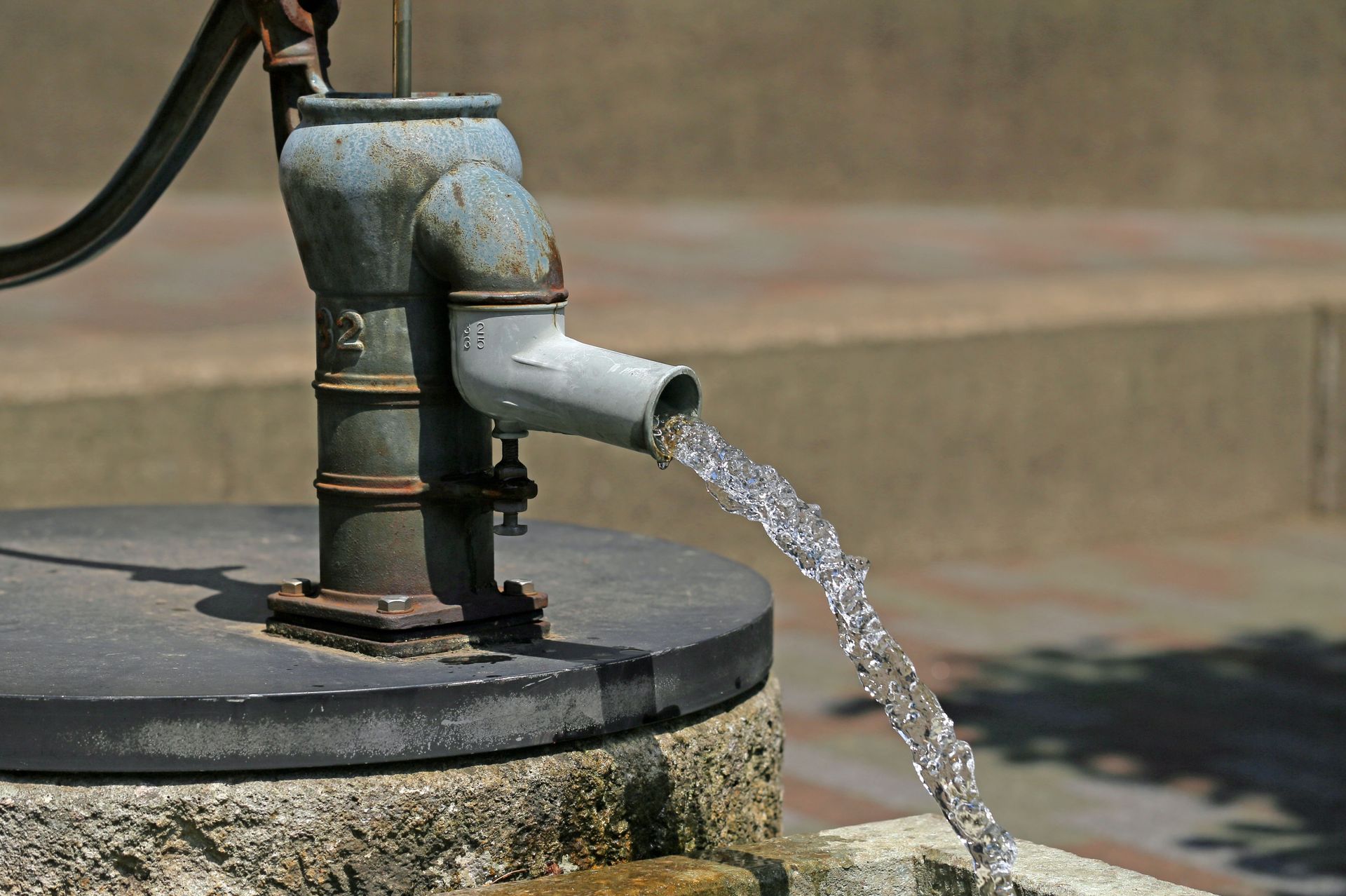
Convertible jet pumps provide flexibility, operating in both shallow and deeper wells by adjusting the jet assembly components. This versatility is beneficial for households that anticipate changes in water depth due to seasonal variations or other factors. Convertible jet pumps can be adjusted to optimize performance for the specific well conditions, thereby improving efficiency and reliability. Hand pumps and turbine pumps round up the array of well pump types, with each serving specific needs. As technologies advance, according to MainLine, smart (IoT-enabled) well pumps with sensors, remote monitoring, and controls became mainstream in 2024, offering modern solutions to traditional well pump challenges.
Common Well Pump Problems
Poor water pressure is a prevalent issue troubling many well pump repairs systems. It can stem from a range of causes, including clogged pipes, faulty pressure switches, or an undersized pump. Regular checks and adjustments can often address pressure-related problems, but understanding the underlying cause is critical. Pressure tanks can play a significant role in maintaining water pressure consistency. Addressing water pressure issues promptly can prevent more serious mechanical failures in the pump system.
Intermittent cycling, where the pump frequently turns on and off, can be both annoying and damaging to the pump system. It often indicates issues with the pressure switch or pressure tank. If a pump cycles too quickly, it could lead to overheating or premature wear. Maintenance practices like checking the pressure tank's air charge can help mitigate this problem. If the issue persists, it might signify a problem with the pump size relative to the household's water needs.
Strange noises emanating from the well pump system can be unsettling and indicative of underlying issues. These noises might result from worn-out bearings, cavitation due to insufficient water supply, or loose components vibrating. Ignoring these sounds might lead to more severe mechanical failures, necessitating expensive well pump repairs or replacements. An inspection of both the pump and associated piping is essential to diagnose the cause of the noise. Timely intervention can avoid further damage and extend the pump's lifespan.
Essential Tools for Well Pump Repair
A fundamental tool in any well pump repair kit is a set of pipe wrenches. These allow for the loosening and tightening of various fittings, essential when replacing components or making adjustments. Pipe wrenches come in different sizes, and having multiple sizes enables effective handling of different piping sections. Consistent torque ensures a secure fit, preventing leaks. Due to the often confined and submerged nature of well pump systems, having rust-resistant and ergonomically designed wrenches can improve efficiency.
Voltage meters are crucial for troubleshooting electrical issues in well pump repairs. They allow for accurate testing of electrical connections, identifying faults in the wiring or circuitry. Given that electrical malfunction is a frequent cause of pump failures, having a reliable voltage meter is indispensable in diagnosing such problems. In some cases, well pump issues can quickly be identified and resolved with electrical adjustments. Advances in technology are also seeing the integration of smart sensors and remote controls in pump systems, simplifying monitoring and control.
Pressure gauges perform an equally vital function in well pump systems, providing real-time measurements of the system's pressure levels. They enable homeowners to quickly identify pressure-related issues and take corrective action. Installing a reliable pressure gauge helps maintain optimal water pressure levels and prevents excessive strain on the pump. Teflon tape and plumber's tape are also essential, used for sealing threaded joints and preventing leaks. These components, while small, play a crucial role in maintaining the integrity and efficiency of the well pump system.
Step-by-Step Guide to Troubleshooting
Begin with a preliminary visual inspection, as this can reveal immediate problems such as leaks or disconnected wiring. Examine the surrounding area for moisture or unusual wear on components. The presence of puddles, rust, or corrosion may indicate more significant underlying issues. Ensuring that all visible parts of the pump are in good condition can expedite problem identification. Regular visual inspections should form part of routine maintenance to preempt potential failures.
The next step involves assessing the pressure switch. This component governs when the pump cycles on and off to maintain consistent pressure levels. A faulty switch can prevent the pump from operating efficiently, leading to increased energy bills and potential water pressure issues. Testing the switch for responsiveness and accuracy ensures an optimal pump function. If adjustments or replacements are necessary, ensure the settings match the optimal pressure requirements of the pump system.
Routine Maintenance Tips
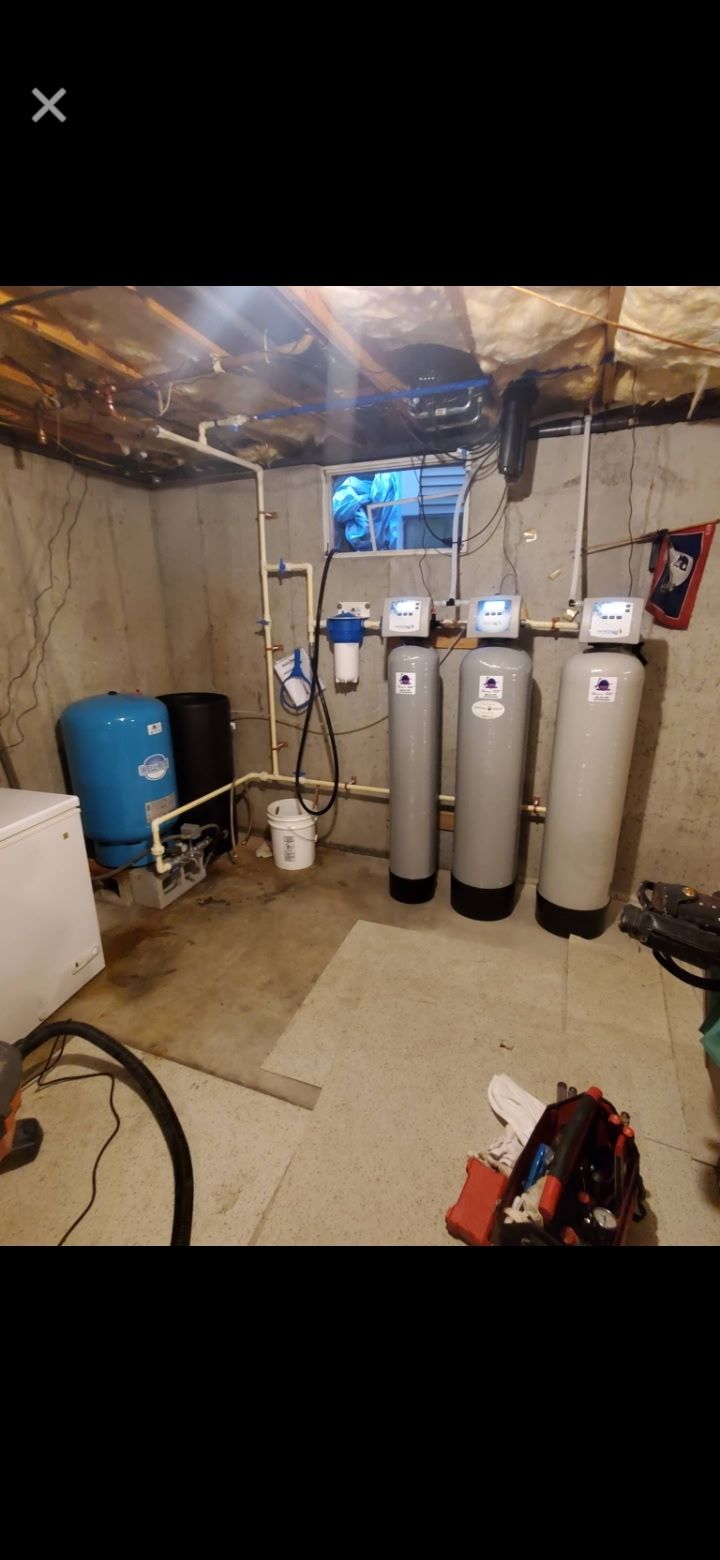
Regular pressure tank checks are essential to maintaining the efficiency of a well pump system. The tank's air charge must be adequately balanced to ensure consistent water flow and pressure. Neglecting this can lead to problems like water hammering or intermittent cycling. Routine inspections and adjustments can prevent these issues, extending the life of both the tank and the pump. By adhering to a regular maintenance schedule, homeowners can avoid common pitfalls that lead to pump malfunction.
Inspecting pump wiring is vital, even with advancements in IoT-enabled monitoring systems in modern pumps. Regular checks can preempt electrical failures that often arise from wear and environmental conditions. Insulating wires and ensuring they are securely connected can help avoid spark-related incidents and power inefficiencies. This practice not only enhances safety but also contributes to more consistent pump performance. Smart systems and real-time alerts are simplifying the monitoring of electrical components in well pump repairs.
Equally important is staying proactive with routine maintenance. Simple steps such as checking pressure tanks, inspecting wiring, monitoring pressure levels, and using the right tools can dramatically improve performance and extend the lifespan of your well pump system. In many cases, consistent upkeep is the difference between a reliable water supply and unexpected downtime.
If you’re experiencing well pump issues or want to ensure your system is running at peak performance, don’t wait for a breakdown. Contact a qualified well pump repairs professional at Lucas Pump Co today to inspect your system, diagnose potential problems, and provide the right solution to keep your water flowing reliably year-round.