April 3, 2026
Private well systems provide millions of households with reliable water supplies, but these systems require regular maintenance to ensure safe, consistent performance throughout their service lives. The pressure tank represents a critical component that stores water under pressure and regulates system operation, yet many homeowners neglect this essential equipment until failures occur. Understanding proper maintenance practices for well tanks prevents premature failures, maintains consistent water pressure, protects pumps from excessive cycling, and ensures your water system operates efficiently for decades. Neglecting tank maintenance leads to reduced water pressure, pump damage, contaminated water, and expensive emergency repairs that proper care would prevent. Learning essential maintenance practices empowers well owners to protect their investments and maintain the reliable water supplies their households depend on daily for drinking, bathing, cleaning, and all other domestic water needs.
1. Monitoring and Maintaining Proper Air Pressure
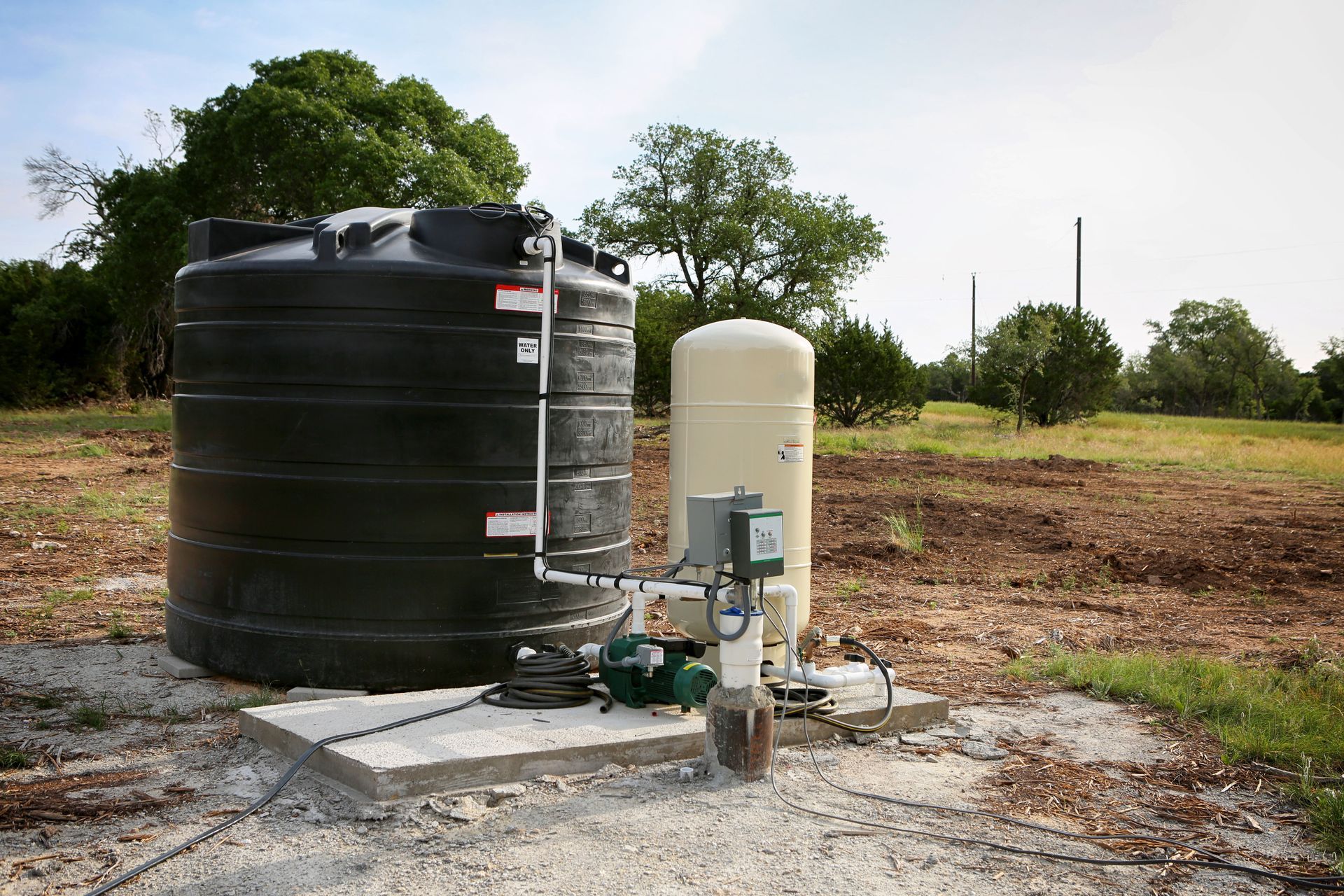
According to Global Growth Insights, the global well water tank market is growing at a CAGR of nearly three percent. Water well tanks require proper air pressure in the bladder or air chamber to function correctly and prevent excessive pump cycling that shortens pump life. Air pressure should be checked at least annually using a standard tire pressure gauge when the tank is empty and the system is depressurized. Most residential tanks require an air pressure set approximately two pounds below the pump cut-in pressure, though specific requirements vary by tank type and system configuration. Low air pressure causes pumps to cycle excessively as tanks cannot store adequate water volumes, while excessive pressure prevents tanks from filling properly and reduces available water storage capacity.
2. Inspecting for Physical Damage and Corrosion
Regular visual inspection identifies rust, corrosion, dents, or other physical damage that compromises tank integrity and indicates developing problems requiring professional attention. External corrosion often signals internal deterioration that weakens tank walls and eventually causes leaks or catastrophic failures that flood mechanical rooms and damage property. Dents or impact damage can rupture internal bladders in bladder-style tanks or damage steel construction in traditional tanks, creating failures requiring complete tank replacement. Catching physical damage early allows addressing problems before they escalate into emergencies requiring immediate replacement when tanks fail and leave households without water until repairs are completed.
3. Checking Pressure Switches and Electrical Connections
Pressure switches control when pumps activate and deactivate based on tank pressure, and switch malfunctions cause various problems from constant pump operation to complete system failure. Corroded electrical connections, damaged switch diaphragms, or improper pressure settings create operational problems that affect water pressure consistency and pump longevity. Annual inspection of pressure switch operation, electrical connections, and adjustment settings ensures proper system control and identifies developing problems before they cause pump damage or system failures. Professional testing verifies switches activate and deactivate at correct pressures and that electrical connections remain secure and free from corrosion that could cause failures or create fire hazards.
4. Draining Sediment From Tank Bottoms
Sediment accumulation in water well tanks reduces effective storage capacity, promotes corrosion, and can contaminate water supplies with particles and biological growth from accumulated debris. Periodic draining removes sediment that settles at tank bottoms despite filtration systems that cannot capture all particles from well water supplies. The frequency of sediment draining depends on water quality and whether filtration systems remove most particulates before water reaches storage tanks. Annual draining represents reasonable maintenance for most systems, though wells producing particularly sediment-laden water may require more frequent attention to prevent excessive accumulation that degrades tank performance and water quality.
5. Testing Water Quality for Contamination
While not strictly tank maintenance, regular water testing identifies contamination that may accumulate in tanks or indicate well problems requiring attention. Bacterial contamination, chemical pollutants, or mineral content changes suggest problems with well integrity, surrounding groundwater quality, or tank sanitation that threaten household health. Annual testing for bacteria, nitrates, and other common contaminants provides baseline data identifying changes that indicate developing problems requiring investigation and remediation. Professional water testing analyzes samples properly and provides detailed results explaining contamination levels and whether they exceed safe drinking water standards established by health authorities.
6. Inspecting and Replacing Tank Bladders
Bladder-style water well tanks use internal rubber bladders separating water from air chambers, and these bladders eventually wear out and require replacement to restore proper function. Failed bladders cause waterlogged tanks where air and water mix, eliminating the air cushion that prevents excessive pump cycling and maintains consistent pressure. Symptoms of bladder failure include frequent pump cycling, fluctuating water pressure, and reduced available water between pump cycles as tanks lose storage capacity. Bladder replacement by qualified professionals restores tank function without requiring complete tank replacement, providing cost-effective repair that extends service life when tank shells remain sound despite bladder deterioration.
7. Maintaining Adequate Tank Size for Household Demand
Undersized tanks cause excessive pump cycling that shortens pump life and creates pressure fluctuations affecting household comfort and appliance performance. Tank capacity should match household water demand and pump output to ensure adequate storage that prevents pumps from cycling more than recommended frequencies. As households grow or water usage patterns change, original tank sizing may become inadequate and require upgrading to a larger capacity that better serves current needs. Professional assessment of water well tanks relative to household demand identifies situations where capacity upgrades would improve performance and protect pumps from damage caused by excessive cycling that occurs when tanks cannot store enough water between pump cycles.
8. Protecting Tanks From Temperature Extremes
Freezing temperatures can rupture tanks and damage connected plumbing, while excessive heat accelerates the deterioration of tank components and promotes bacterial growth in stored water. Tanks located in unheated spaces require insulation or heating to prevent freezing during cold weather that would damage equipment and interrupt water service. Temperature protection extends tank life by preventing freeze damage and reducing thermal stress that accelerates material fatigue and component deterioration over the years of seasonal temperature cycling. Proper tank location in climate-controlled spaces or adequate insulation for tanks in unheated areas prevents temperature-related damage that causes premature failures requiring expensive emergency replacements.
9. Scheduling Professional Inspections
While homeowners can perform basic maintenance, professional inspections identify problems that untrained eyes miss and ensure water well tanks operate optimally throughout their service lives. Qualified technicians test pressure settings, inspect internal components, verify electrical connections, and evaluate overall system performance using specialized equipment and expertise. Annual professional inspections catch developing problems when simple adjustments or minor repairs restore proper function rather than waiting until major failures occur, requiring expensive replacements. These inspections provide peace of mind that your water system operates safely and efficiently while identifying opportunities for improvements or upgrades that enhance performance and reliability.
10. Keeping Detailed Maintenance Records
Documenting all maintenance activities, repairs, pressure settings, and inspection findings creates valuable historical data that helps identify patterns and predict future service needs. These records prove especially valuable when selling properties, as documented maintenance demonstrates responsible system care that reassures buyers about the well system condition. Maintenance logs help troubleshoot problems by revealing changes in system behavior over time that indicate developing issues requiring attention. Professional service providers benefit from reviewing maintenance histories when diagnosing problems or recommending improvements, making detailed records valuable tools for maintaining optimal water well tank performance throughout their service lives.
Proper maintenance of well pressure tanks ensures reliable water supplies, protects expensive pump equipment, maintains consistent household water pressure, and prevents the emergency failures that leave families without water until repairs are completed. The relatively modest time and expense required for regular maintenance prevent the costly repairs, premature replacements, and service interruptions that result from neglect of this critical system component. Understanding these essential maintenance practices empowers well owners to protect their investments and ensure their water systems deliver the reliable performance their households depend on daily. Whether you need pump repairs, water filtration, or water tank replacements, Lucas Pump Co provides expert service with warranties available, is family-owned and operated, and brings 60+ years of experience. For more information, contact us today!