August 7, 2026
Maintaining a well system is easy to overlook until something goes wrong. As the maintenance market grows, homeowners and property owners have access to better tools, more informed service options, and proactive ways to care for their water systems. This shift is changing how well pump repairs are approached, making maintenance less about reacting to emergencies and more about keeping equipment reliable over time.
A stronger focus on maintenance also gives property owners more opportunities to identify developing problems before they become major disruptions. Instead of waiting for a pump to fail, routine inspections and timely service can address wear, performance issues, and other concerns earlier. For anyone who depends on a private well, that proactive approach can make water access more predictable and manageable.
Strengthening Maintenance Practices With Better Planning
The growing maintenance market encourages property owners to view well care as an ongoing process rather than an occasional expense. Regular inspections allow technicians to identify unusual sounds, pressure changes, electrical concerns, or other signs that a system may need attention. This approach can make well pump repairs more targeted because technicians have more information about the equipment and its operating history.
Preventive maintenance can also help property owners understand how their systems normally perform. When something changes, it may be easier to recognize that the system needs attention before a small concern develops into a larger failure. Over time, consistent service can support reliable performance while reducing the stress associated with unexpected equipment problems.
Improving Diagnostics With Advancing Technology
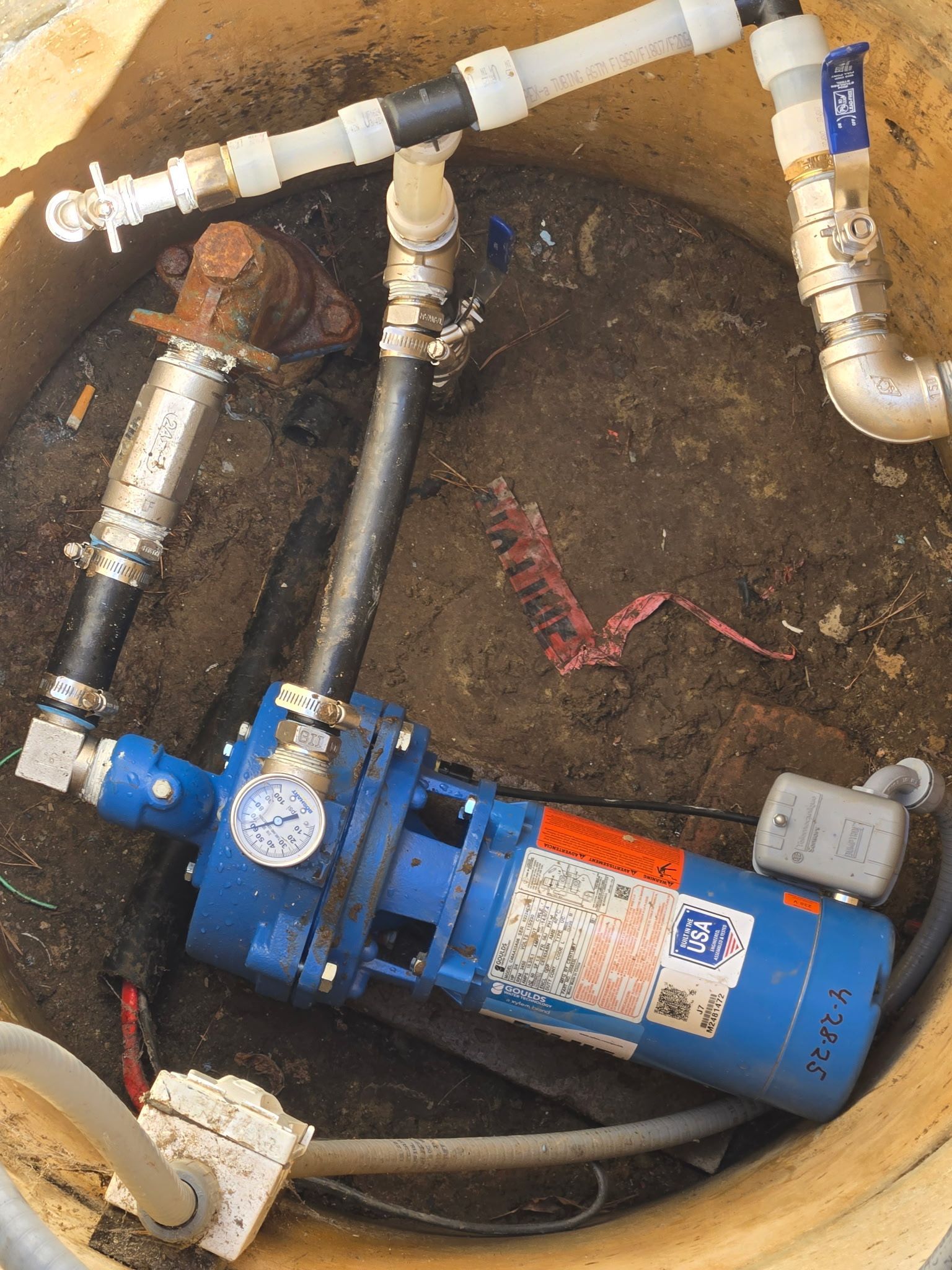
Technology is playing a larger role in modern pump maintenance. Diagnostic equipment can help technicians evaluate system performance and narrow down potential problems without relying entirely on guesswork. For well pump repairs, better diagnostics can help identify the source of an issue more efficiently and reduce unnecessary work.
Data collection is another area where technology can make a difference. Information about pressure, operating patterns, energy use, and previous service can provide useful context when a technician evaluates a system. While not every well will use advanced monitoring equipment, the wider availability of diagnostic tools gives service professionals more ways to approach maintenance with greater precision.
According to Grand View Research, the global water pump repair and maintenance market is projected to grow at a compound annual rate of approximately 4.3% from 2025 through 2033. The research attributes this growth partly to aging infrastructure and increasing demand for preventive maintenance. This trend suggests that maintenance is becoming an increasingly important part of managing water equipment throughout its useful life.
Supporting Technicians With More Specialized Training
As maintenance technology develops, technicians must continue developing their skills. Modern service work can involve mechanical components, electrical systems, diagnostic equipment, and other technologies that require a broad understanding of how a well system operates. Ongoing training helps professionals stay prepared to evaluate equipment and respond appropriately.
This emphasis on specialized knowledge can improve the service experience for property owners. A technician familiar with both traditional equipment and newer diagnostic methods may be better positioned to identify problems and explain available repair options. For well pump repairs, combining hands-on experience with updated knowledge can make service more efficient while helping property owners understand what their system needs.
Training also benefits the maintenance industry as a whole. As more property owners recognize the value of routine service, demand for knowledgeable professionals can increase. Continued education helps the industry keep pace with changing equipment while maintaining consistent service standards.
Reducing Costs With Preventive Care
Few property owners want to deal with an unexpected water system failure, especially when the problem could have been identified earlier. Preventive maintenance provides an opportunity to address smaller concerns before they become more complicated. Although routine service requires an investment, it can reduce the likelihood of facing a larger repair at an inconvenient time.
The cost benefits can extend beyond individual service appointments. A pump operating under unnecessary strain may use more energy or experience accelerated wear, potentially shortening its useful life. Addressing performance issues early can help protect the equipment and reduce the need for extensive well pump repairs later.
Preventive care can also make budgeting easier. Rather than being surprised by a major failure, property owners can plan for inspections and maintenance as part of their regular property expenses. That predictability can make maintaining a well system feel more manageable and less disruptive.
Extending Equipment Life Through Consistent Service
Well pumps are an important part of private water systems, so keeping them in good condition can help protect the overall investment. Regular maintenance gives technicians opportunities to look for signs of wear and address developing problems before they place additional stress on other components. Consistent care can support reliable operation while helping equipment remain useful for as long as practical.
A maintenance-focused approach can also help property owners understand when replacement may eventually make more sense than continued service. Not every issue requires a major repair, and not every aging pump can be maintained indefinitely. Reviewing equipment condition over time gives property owners useful information for making decisions about repairs, upgrades, or replacement.
This long-term perspective is one of the biggest advantages of a growing maintenance market. Property owners are not simply looking for a quick fix when something goes wrong. They increasingly have access to service strategies designed to keep equipment functioning properly and make future decisions easier.
Advancing Sustainability Through Efficient Operation
Maintenance can affect more than reliability and repair costs. A well-functioning pump can operate more efficiently than equipment dealing with unresolved mechanical or electrical issues. Proper maintenance can therefore help property owners reduce unnecessary energy use while supporting efficient system operation.
Water conservation is another consideration. Problems involving leaks, pressure, or system performance can contribute to unnecessary water use if they remain unresolved. Regular service gives technicians an opportunity to identify concerns that may affect how efficiently a well system delivers and uses water.
The maintenance market is also becoming more focused on sustainability throughout the service process. Longer equipment life can reduce how often components need to be replaced, while better planning may limit unnecessary material use. For property owners interested in responsible resource management, keeping existing equipment operating effectively can be a practical part of that effort.
Preparing Well Systems With Smarter Maintenance
The future of maintenance is likely to involve greater use of monitoring technology, data, and predictive service strategies. Smart sensors and connected equipment can provide information about system performance between routine visits, giving technicians more insight into changing conditions. These developments may help identify maintenance needs earlier and make service schedules more responsive.
Remote monitoring could also make it easier to manage equipment in locations that are difficult to access regularly. Instead of relying solely on occasional inspections, property owners and technicians may be able to review system information remotely and determine when an in-person evaluation is needed. This approach can be useful when early signs of a problem need attention before they become more disruptive.
Artificial intelligence and data analytics may further influence maintenance decisions. By reviewing patterns from service records and equipment performance, emerging systems could help identify conditions associated with potential failures. These technologies will not eliminate the need for experienced professionals, but they can give technicians additional information when planning maintenance and well pump repairs.
The growing maintenance market is making well care more proactive, informed, and focused on long-term performance. Better diagnostics, technician training, preventive service, and emerging monitoring technologies can help property owners manage their water systems with greater confidence. Rather than waiting for a serious failure, taking a maintenance-focused approach can help identify concerns earlier, protect equipment, and support dependable operation for years to come. For professional well pump repairs and ongoing maintenance support, contact Lucas Pump Co.